Teenage Obsessions: Spotting When Hobbies Cross the Line
As a parent, watching your teenager navigate the turbulent waters of adolescence can be both rewarding and challenging. This period is defined by exploration, identity formation, and, often, rapidly shifting interests. While it's perfectly normal for teens to dive passionately into a new hobby only to abandon it weeks later, the line between a fleeting phase and a consuming addiction can sometimes blur. Recognizing the signs early is crucial to guiding them back to a balanced path. This guide will help you identify potential problem areas and offer strategies for constructive intervention.
Understanding the Shift from Hobby to Habit
A hobby becomes a cause for concern when it begins to negatively impact other critical areas of a teenager's life. Ask yourself these key questions:
- Is their academic performance slipping?
- Are they neglecting friendships, family, or personal hygiene?
- Have their sleep patterns or physical health deteriorated?
- Do they become irritable or defensive when asked to stop the activity?
If you answer "yes" to any of these, it may be time to look closer at their habits. Below, we explore five common areas where teenage enthusiasm can tip into unhealthy obsession.
1. The Junk Food Dilemma: Beyond Picky Eating
It's a classic stereotype for a reason: teenagers and junk food often go hand-in-hand. While the occasional fast-food meal or bag of chips is typical, a sustained pattern of poor nutrition can have long-lasting consequences.
Why it's a Concern:
A diet high in processed sugars, unhealthy fats, and empty calories can set the stage for lifelong health issues. The adolescent body is still developing, and poor nutrition can impair growth, cognitive function, and emotional regulation.
Potential Long-Term Health Risks:
- Obesity and metabolic syndrome
- Type 2 Diabetes
- Cardiovascular problems
- Poor bone density
- Increased risk of certain cancers
Parental Action Plan:
- Lead by Example: Stock your kitchen with healthy, accessible snacks like cut fruits, vegetables with hummus, and nuts.
- Involve Them: Let your teen help with meal planning and preparation. Education is more effective than restriction.
- Open a Dialogue: Instead of lecturing, discuss how different foods fuel the body for sports, focus in school, and clear skin.
2. The Social Media Spiral: Curated Lives and Confidence
Social media platforms are not inherently bad; they offer connection and community. However, the constant exposure to curated, idealized versions of peers' lives can create a distorted sense of reality.
Why it's a Concern:
The "highlight reel" nature of social media can lead to:
- Anxiety and Depression: From constant social comparison.
- Sleep Deprivation: Due to blue light exposure and the fear of missing out (FOMO).
- Cyberbullying: Providing a platform for anonymous cruelty.
- Body Image Issues: From unrealistic beauty standards.
Parental Action Plan:
- Set Digital Boundaries: Establish tech-free zones (e.g., the dinner table) and times (e.g., an hour before bed).
- Promote Real-World Engagement: Encourage participation in sports, clubs, or volunteering to build offline confidence.
- Talk About Media Literacy: Remind your teen that people only post what they want others to see. It's a performance, not reality.
3. Alcohol Experimentation: More Than Just a Phase
Many teenagers view alcohol as a rite of passage into adulthood. While experimentation is common, it's dangerous to dismiss it as harmless. The adolescent brain is particularly vulnerable to the effects of alcohol, which can impact development and decision-making.
Why it's a Concern:
- Impaired Brain Development: Alcohol can affect the prefrontal cortex, crucial for judgment and impulse control.
- Increased Risk-Taking: Leading to unsafe situations like driving under the influence or unprotected sex.
- Gateway to Dependency: Early use increases the risk of developing an alcohol use disorder later in life.
Parental Action Plan:
- Be Proactive, Not Just Reactive: Have open, honest conversations about alcohol before you suspect a problem.
- Establish Clear Rules and Consequences: Be consistent and firm.
- Focus on Health, Not Just Punishment: Explain the neurological and physical effects in a way they can understand.
4. Casual Drug Use: The Slippery Slope
What may start as casual experimentation with substances like marijuana can escalate, especially if underlying issues like anxiety, depression, or peer pressure are at play.
Why it's a Concern:
- Impact on Development: THC can affect the developing brain's reward system and executive functions.
- Legal Consequences: Possession can lead to serious legal trouble.
- Progression to Harder Substances: While not inevitable, a pattern of drug use can lower inhibitions towards riskier behaviors.
Parental Action Plan:
- Keep Communication Open: Create a non-judgmental environment where your teen feels they can talk to you.
- Educate on the Real Risks: Move beyond "drugs are bad" to specific, factual information about how different substances affect the mind and body.
- Encourage Self-Investment: Help them find passions and goals that provide a natural high and a sense of purpose.
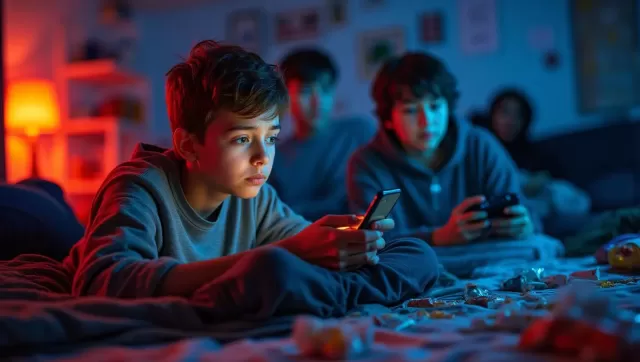
5. Video Gaming: Balancing Virtual and Real Worlds
Video games offer entertainment, problem-solving challenges, and social interaction. The problem arises when the virtual world takes precedence over the real one.
When Gaming Becomes Problematic:
| Healthy Gaming Habits | Signs of Problematic Use |
|---|---|
| Playing for a set amount of time. | Losing track of time, playing through the night. |
| Maintaining grades and friendships. | Skipping homework or social events to game. |
| Gaming as one of several hobbies. | Gaming as the only hobby; lack of other interests. |
| Able to stop easily when asked. | Reacting with anger or extreme irritation when interrupted. |
Parental Action Plan:
- Collaborate on Time Limits: Work with your teen to set reasonable daily or weekly limits.
- Encourage Diverse Interests: Introduce them to other activities that might spark their interest, such as coding clubs, martial arts, or music.
- Understand the Appeal: Ask them what they enjoy about their favorite games. This shows you respect their interests and opens a door for compromise.
Initiating the Conversation: A Bridge of Understanding
Confronting your teen about a potential addiction is delicate. An accusatory approach will likely lead to defensiveness. Instead, aim for a calm, understanding dialogue.
- Use "I" Statements: "I've noticed you've been spending a lot of time gaming, and I'm concerned it might be affecting your sleep."
- Listen More Than You Talk: Let them explain their perspective. There may be underlying reasons for their behavior, such as stress or social anxiety.
- Collaborate on Solutions: Ask, "What do you think is a fair way to balance your time?" Involving them in the solution increases buy-in.
Frequently Asked Questions (FAQs)
1. How can I tell the difference between a normal teenage phase and a real addiction?
A phase is temporary and doesn't significantly disrupt their life. An addiction, or dependency, is characterized by a loss of control. The behavior continues despite negative consequences to their health, schoolwork, and relationships. If the habit is causing harm and they are unable to stop, it's time to seek help.
2. What should I do if I find out my teenager is drinking or using drugs?
First, stay calm. Reacting with anger will shut down communication. Schedule a time to talk privately. Express your concerns clearly and calmly, focusing on their health and safety rather than just punishment. Establish firm boundaries and consider involving a school counselor or professional therapist for support.
3. My teen is always on social media but seems happy. Should I still be worried?
Even if they seem fine, excessive social media use can have subtle effects. It can promote passive consumption, reduce face-to-face social skills, and expose them to curated content that may secretly affect their self-esteem. It's still wise to encourage balance and offline activities to ensure their well-being is rooted in the real world.
4. I've tried talking to my teen, but they won't listen. What's the next step?
If your attempts at communication are consistently met with hostility or silence, it may be time to bring in a neutral third party. A school counselor, family therapist, or another trusted adult (like a coach or relative) can sometimes get through to them in a way a parent cannot. Professional help is a sign of strength, not failure.