Kashkari Hints at Fed Rate Cut Pause as Inflation Persists
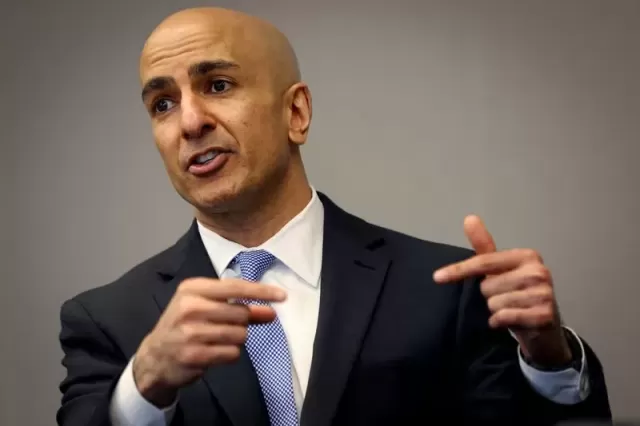
The Federal Reserve is approaching a critical juncture in its current monetary cycle, signaling a potential pause in interest rate adjustments. Minneapolis Fed President Neel Kashkari recently highlighted that the central bank is nearing a neutral policy position—a state where interest rates neither stimulate nor restrict economic expansion. This shift comes after a series of three rate reductions throughout the latter half of 2026, as officials now weigh whether further easing is necessary.
The Tension Between Inflation and Employment
As a voting member of the Federal Open Market Committee (FOMC) this year, Kashkari emphasizes that the Fed's future path depends on two competing forces: a softening labor market and stubborn inflationary pressures. While some indicators suggest a cooling job market, with unemployment recently ticking up to 4.6%, inflation remains a primary concern. The central bank's preferred core inflation measure recently stood at 2.8%, though recent government shutdowns have made that data harder to interpret.
Key factors influencing this decision-making process include:
- The long-term impact of trade tariffs on consumer prices.
- The unexpected resilience of the broader economy despite previous rate hikes.
- The risk of unemployment rising more sharply if policy remains too restrictive.
Assessing the Strength of Monetary Policy
A significant part of the current debate involves determining exactly how much pressure current rates are placing on the economy. With the federal funds rate currently targeted between 3.5% and 3.75%, Kashkari has expressed skepticism about how tight policy actually remains. He noted that the economy has consistently outperformed expectations, suggesting that current interest levels might not be as restrictive as policymakers initially believed.
Kashkari's stance reflects a cautious approach. He has recently indicated a preference for holding rates steady, expressing concern that cutting too early or too deeply could allow inflation to persist for several years, particularly if external shocks like new tariffs come into play.
Leadership Transitions at the Central Bank
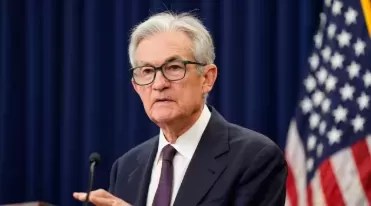
The Federal Reserve is also navigating a period of internal change. With Jerome Powell's term as chair set to conclude in May, the political landscape is shifting. While the administration plans to nominate a successor in early 2027, Powell's term as a governor continues until 2028. Kashkari has voiced strong support for Powell, suggesting that maintaining his presence within the FOMC would be beneficial for the committee's continuity and expertise.
As the Fed prepares for its upcoming meetings, the focus remains on gathering more definitive data. The goal is to determine which economic force—inflation or labor—requires the most urgent attention before moving the needle on interest rates again.