Recycled Water Fuels Brewing Revolution
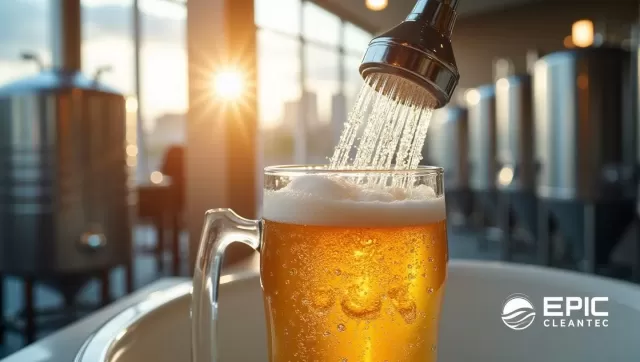
The traditional "flush and forget" approach to water management is undergoing a radical transformation. Epic Cleantec, a San Francisco-based startup, has moved beyond basic wastewater recycling for residential and commercial buildings to tackle a much bigger challenge: public perception. Since its inception in 2015, the firm has utilized proprietary technology to purify greywater—water sourced specifically from showers and laundry—turning it into a resource that is high-quality enough for human consumption.
Transforming Perception Through Craft Brewing
The greatest hurdle in water recycling isn't the technology; it is the psychological barrier. To bridge this gap, the company hit upon a creative solution: craft beer. By processing recycled molecules and packaging them into a premium beverage, the startup has successfully shifted the narrative. When high-quality water is presented as a crisp IPA or a refreshing Kölsch, skepticism often transforms into curiosity and enthusiasm. This strategy has proven effective at high-profile events, turning what some might consider a gimmick into a legitimate conversation starter about the future of our planet's resources.
The Purification Journey
Turning greywater into a beverage-grade ingredient requires a rigorous, multi-stage treatment process. To ensure the water is indistinguishable from—or even cleaner than—traditional tap water, it undergoes several sophisticated steps:
- Advanced filtration and biological treatment
- Membrane filtration systems
- Granular activated carbon processing
- High-pressure reverse osmosis
- Rigorous disinfection protocols
Once the water meets these stringent safety standards, it is delivered to Devil's Canyon Brewing Co., where it serves as the foundation for a unique line of sustainable brews.
Maximizing Environmental Impact
The choice of beer as a medium is particularly strategic given the industry's heavy water footprint. Standard brewing processes typically require approximately 10 gallons of fresh water to produce just one gallon of beer. By utilizing recycled water, the environmental savings are massive. This commitment to sustainability extends throughout the entire supply chain, as the company selects ingredients—including hops, grain, and yeast—that are specifically chosen for being drought-resistant and energy-efficient.
Scaling the Future of Urban Water
While the beer serves as a powerful storytelling tool, the ultimate goal remains large-scale urban water conservation. Commercial and residential buildings currently account for roughly 15% of global freshwater consumption. By integrating on-site recycling systems, developers can significantly reduce their reliance on municipal grids and contribute to a more resilient urban infrastructure.
This vision has attracted $25 million in funding to date from various family offices and investment groups such as J-Ventures, J-Impact, and Echo River Capital. Currently, the company offers two flagship products: Shower Hour IPA and Laundry Club Kölsch. These are available for online order in several regions, including California, Virginia, Oregon, and Washington, D.C., as well as in retail locations across California. As the brand looks toward the future, it is exploring further expansions, including the development of non-alcoholic options to reach an even broader audience.