Syria Overhauls Currency, Eyes Global Financial Integration
Abdulkader Husrieh, the Governor of the Central Bank of Syria, has officially confirmed that the nation is moving forward with its ambitious plans to overhaul the national currency. In a statement aimed at providing clarity and stability to the public and the financial sector, Husrieh emphasized that the implementation of the new currency system is proceeding according to the original schedule, with no delays currently hindering the process.
The Governor utilized a Facebook post on Sunday to communicate these updates, noting that the logistical and administrative arrangements for the transition are progressing smoothly. He highlighted the "direct co-operation" between various relevant government and financial entities as a key factor in keeping the project on track. While social media and unofficial channels have been abuzz with speculation regarding the timeline and nature of the changes, Husrieh urged the public to disregard inaccurate reports and rely solely on official announcements. He stated that a formal press conference would eventually be held to provide comprehensive details regarding the launch and the practical steps of the currency exchange.
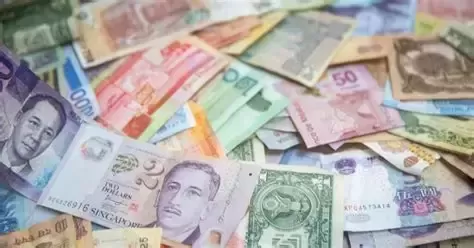
The centerpiece of this financial reform involves the issuance of new banknotes and the strategic removal of two zeroes from the Syrian pound's face value. This redenomination is intended to simplify daily transactions and reduce the logistical burden of handling large volumes of cash—a common issue in economies with high inflation. However, economic analysts remain cautious. While the move will technically revalue the currency, experts suggest it is unlikely to fundamentally strengthen the pound or solve the underlying issues of weak economic growth and persistent inflation. Husrieh, conversely, views the transition as a necessary step to "ease people's lives" and restore the confidence of both domestic businesses and international investors in the Syrian national currency.
The urgency of these reforms is underscored by the dire state of the Syrian economy, which has been ravaged by more than a decade of civil conflict. Data from the United Nations Development Programme (UNDP) paints a stark picture, estimating that the cumulative losses—encompassing physical destruction and lost economic opportunity—reached a staggering $923 billion by the end of last year. The Syrian pound has also seen a catastrophic decline; before the 2011 conflict, it traded at approximately 50 pounds to the US dollar, whereas today, the exchange rate has plummeted to around 11,000 pounds to the dollar.
Looking toward the future, the World Bank predicts a modest recovery, forecasting a 1 percent growth in Gross Domestic Product (GDP) for 2025, following an estimated 1.5 percent contraction in 2024. This fragile growth remains threatened by ongoing security concerns, limited liquidity, and the suspension of much-needed foreign assistance.
Beyond the physical currency change, Husrieh revealed deeper structural reforms during the Reuters Next conference. The new currency will be issued in eight denominations and represents what he calls "financial liberation." This includes a historic shift in policy: the Central Bank of Syria will end seven decades of directly financing government budget deficits. By separating the central bank's management from the government's immediate fiscal needs, the Governor aims to restore the integrity of public finances.
Furthermore, Syria is making significant strides toward reintegrating into the global financial ecosystem. The central bank recently signed an agreement with the global payments giant Visa, marking the company's return to the country after a ten-year hiatus. This follows the restoration of Syria's access to the Swift international messaging network in November, ending a 14-year suspension. Husrieh personally marked this milestone by sending messages to correspondent banks worldwide, including the US Federal Reserve in New York. These steps are part of a long-term vision to transform Syria into a financial hub for the Levant region, supported by a modernized, globally connected payment system.