Tariffs and the Iowa Economy: Chicago Fed President Visits, Discusses Uncertainty
Federal trade policy, particularly the erratic implementation of tariffs under the Trump administration, continues to cast a shadow of uncertainty over the U.S. and specifically the Iowa economy, according to a high-ranking US Federal Reserve official.
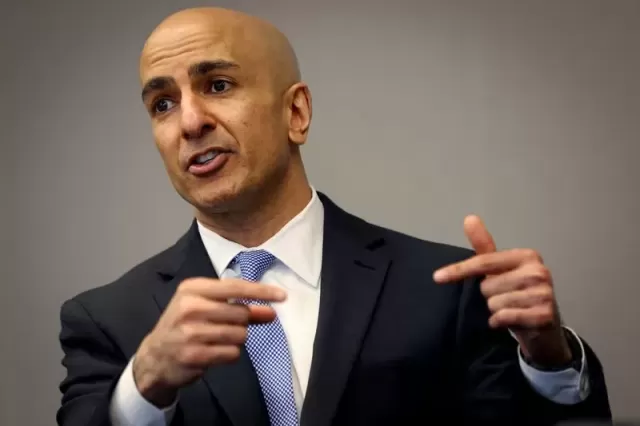
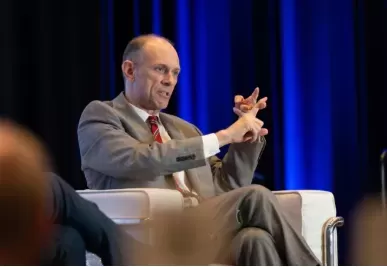
Austan Goolsbee, president and CEO of the Chicago Federal Reserve, voiced his concerns during a recent visit to Iowa, highlighting the potential damage inflicted by the fluctuating trade landscape. Goolsbee's remarks, reported by the Des Moines Register, part of the USA TODAY Network, on June 3rd, came during a two-day fact-finding mission to the agricultural heartland of the United States.
Speaking in Des Moines, Goolsbee emphasized the disruptive nature of the on-again, off-again tariff policies, particularly their impact on key Iowa industries like agriculture and manufacturing. Iowa, a major exporter of agricultural products such as soybeans and corn, is particularly vulnerable to trade wars and retaliatory tariffs imposed by other nations.
"The unpredictable nature of these tariffs creates significant challenges for businesses in Iowa," Goolsbee was quoted as saying. "It makes it difficult for them to plan, invest, and compete effectively in the global market."
During his visit, Goolsbee reportedly engaged with local business leaders, farmers, and community representatives to gain firsthand insights into the economic realities facing Iowans. He aimed to understand the strengths and weaknesses of the state's current economy, and how federal policy impacts their businesses.
While Goolsbee acknowledged pockets of strength within the U.S. economy, he cautioned that the long-term implications of trade uncertainties could outweigh any short-term gains. He stressed the importance of a stable and predictable trade environment to foster sustainable economic growth and ensure the competitiveness of American businesses on the world stage.
The impact of the previous US administration's trade policies, and potential future policy shifts, continue to be a key concern for international observers monitoring the stability and reliability of the US economy. The uncertainty is cause for concern, given how other nations depend on the US for global economic stability.