The Case to Declare Heat a Major Disaster
Every year, heat kills more Americans than tornadoes, floods, and storms combined. Extreme heat, however, is not considered a "major disaster" under U.S. law, which limits essential federal resources, in contrast to these meteorological extremes. Lawmakers from the most populous states in the country are working to close this risky disparity.
A measure to include high heat in the Stafford Act's list of qualifying catastrophes was reintroduced by Senator Ruben Gallego (D-Ariz.), joined by Senator Jacky Rosen (D-Nev.) and Representative Sylvia Garcia (D-Texas). FEMA's response to significant catastrophes is governed by this 1988 statute, which now recognizes 16 disaster classifications (heat waves excluded).
Proponents argue this omission costs lives. "Federal teams sit sidelined while people suffer. That's unconscionable," Garcia stated. Redefining heat as a major disaster would unlock FEMA funds for both immediate response—like water stations and emergency generators—and long-term resilience projects, such as cooling centers and urban tree planting.
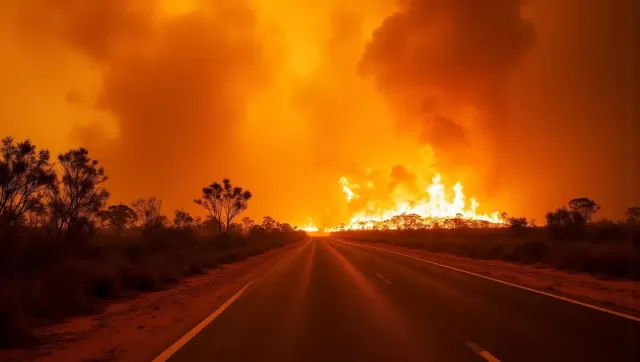
The urgency is increased by climate change. Long-lasting heat waves are becoming more frequent, longer, and more severe due to global warming, according to research. Experts caution that the EPA's 1979–2022 heat fatality statistics, which include over 14,000 direct deaths, are a gross underestimation. Although climate changes are increasing its hazard, heat frequently exacerbates diseases like heart disease, making it the "silent killer" and concealing its underlying cause of mortality.
Past amendment efforts failed, including proposals from Gallego (2023) and Rosen (2024), plus petitions from health and environmental groups. Opposition often cites the Stafford Act's traditional focus. Former FEMA Administrator Deanne Criswell argued the Act could address heat emergencies exceeding local capacity without explicit listing. However, FEMA denied all three historical requests for heat disaster declarations, including Chicago's 1995 event (700+ deaths), citing insufficient "severity and magnitude."
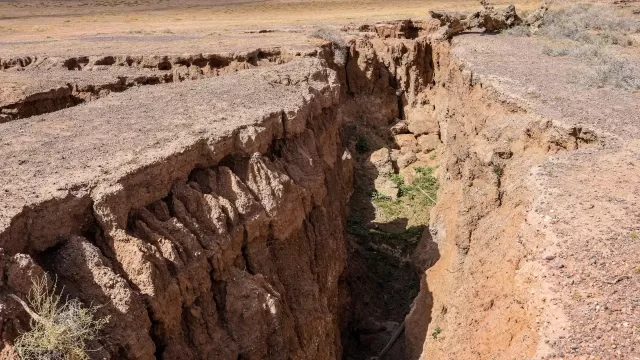
The impact of heat on infrastructure is also questioned by some. "What damaged infrastructure do you have from extreme heat?" inquired Criswell. However, the evidence is growing: recent heat domes caused Missouri and Wisconsin roads to crumble, and twisted train tracks caused transportation disruptions. In addition to the immediate harm, heat causes enormous financial losses, especially in the form of decreased outdoor worker productivity, which is expected to reach $500 billion a year by 2050.
Disaster expert Alistair Hayden (Cornell University) notes official recognition validates community suffering and unlocks preparedness resources. "Communities want acknowledgement that, yes, this was really bad," Hayden explained.
"Current policy ignores the physical and health risks of extreme heat," Rosen asserted. Successfully classifying it as a major disaster is deemed crucial for protecting vulnerable populations as temperatures climb. While the political path faces hurdles, the human cost of inaction escalates with each record-shattering summer.