US and Mexico Unite Against New World Screwworm Threat
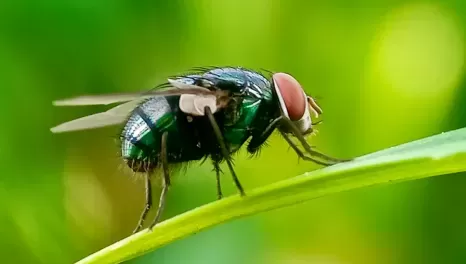
The United States and Mexico, despite recent trade tensions, are joining forces once again to combat a common enemy: the New World Screwworm (NWS). This parasitic fly poses a significant threat to livestock, wildlife, and even humans.
What is the New World Screwworm?
The New World Screwworm is a fly whose larvae, or maggots, infest open wounds and body openings of mammals. Female flies lay eggs in these areas, and the resulting maggots burrow into the tissue, causing severe damage and potentially fatal infections. The USDA's Animal and Plant Health Inspection Service (APHIS) describes the damage as "extensive," with the maggots tearing at the host's tissue with sharp mouth hooks.
Adult screwworm flies resemble common houseflies but have distinct features: orange eyes, a metallic blue or green body, and three dark stripes on their backs.
Eradication Efforts and Renewed Threat
The U.S. successfully eradicated the NWS in 1966 through the release of sterile male flies. These sterile flies mated with fertile screwworms, eventually leading to a decline in the population. However, the risk of re-introduction remains high, as the parasite is still present in Central and South America and could spread north into Mexico.
Recent Challenges and Cooperation
In November 2024, the U.S. temporarily halted livestock imports from Mexico after NWS was detected in a cow near the Guatemala border. This led to increased sterile fly releases and surveillance efforts, and imports resumed in February 2025.
However, tensions arose in April 2025 when Mexico restricted USDA flights dispersing sterile flies and imposed import duties on essential equipment. U.S. Agriculture Secretary Brooke Rollins voiced concerns to Mexico's ambassador, Esteban Moctezuma Barragán.
Fortunately, a deal was reached, averting another U.S. livestock ban. Mexico agreed to allow additional flights and waive custom duties. Rollins expressed satisfaction with the renewed partnership, emphasizing the devastating threat the NWS poses to both economies.
Warning Signs and Prevention
APHIS has urged states along the southern border to monitor livestock and pets for signs of NWS infestation. Key warning signs include:
- Loss of appetite
- Irritated behavior
- Head shaking
- The smell of decay
- Isolation from other animals
By working together, the U.S. and Mexico aim to protect their agricultural industries and prevent the spread of this dangerous parasite.